
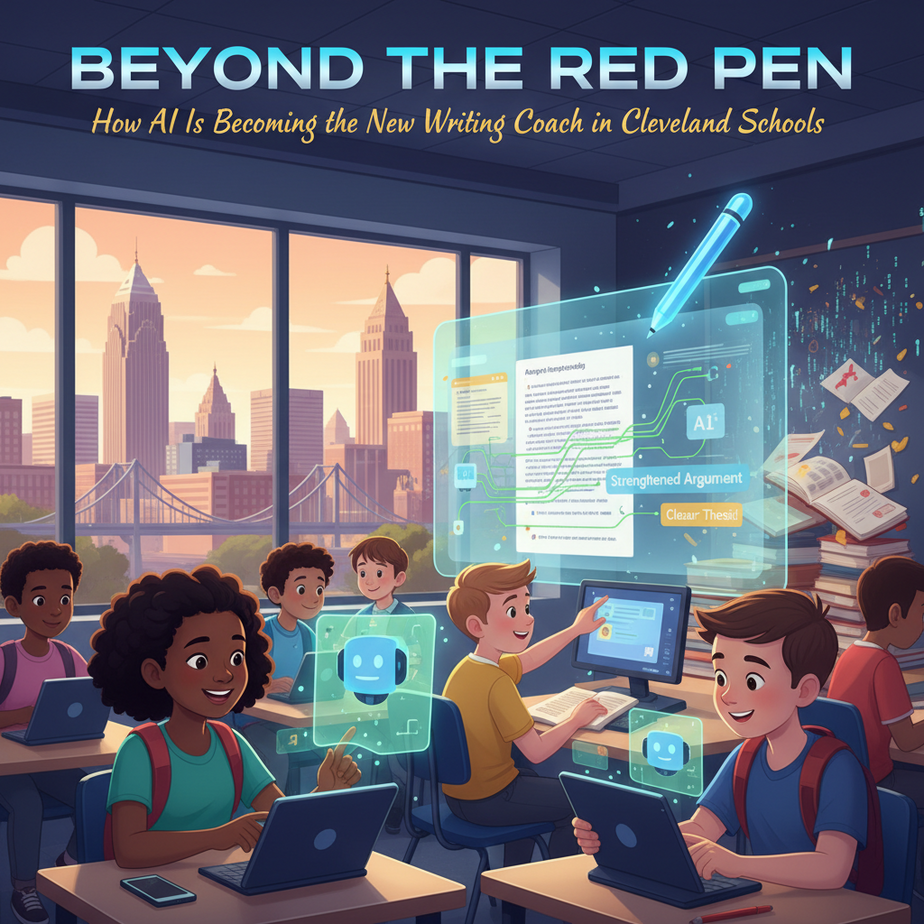
For generations, the writing process in school has followed a familiar, often frustrating, pattern. A student pours hours into an essay, submits it, and then waits—sometimes for days or weeks—for it to return, marked up with critiques and a final grade. While valuable, this feedback often feels like an autopsy report on a finished product rather than a guide for the journey. This delayed-reaction model is now being challenged in a fundamental way, with districts looking for tools that can intervene when it matters most: during the act of creation itself.
In Cleveland City Schools, this challenge is being met head-on through the integration of AI-powered chatbots from MagicSchool. The district’s technology leaders are pioneering a shift away from the traditional feedback loop. Instead of waiting for a teacher’s post-mortem analysis, students now have access to an immediate, interactive partner. As they write, they can receive real-time suggestions on grammar, sentence structure, and clarity, transforming the solitary act of writing into a dynamic dialogue with a digital assistant focused solely on their improvement.
My analysis is that the true significance of this initiative lies not in the sophistication of the technology, but in the radical change it brings to the learning dynamic. Feedback is being transformed from a summative judgment into a formative, continuous conversation. This instant coaching model empowers students to take ownership of their work, allowing them to experiment, revise, and refine their writing in a low-stakes environment. It subtly reframes failure not as a final grade, but as an opportunity for immediate iteration, potentially building more resilient and confident writers in the long run.
Of course, this evolution is not without its questions. The role of the educator must inevitably shift from being the primary line-editor to a higher-level mentor. With AI handling the foundational mechanics of writing, teachers are freed to focus on the elements that technology can’t yet master: nuanced argumentation, creative voice, and the development of a compelling authorial style. The challenge for educators will be to teach students how to use these AI tools as a collaborator for improvement, not as a crutch that stifles their unique perspective or critical thinking skills.
Ultimately, Cleveland City Schools’ adoption of AI writing assistants is a compelling glimpse into the future of personalized education. By moving feedback to the beginning of the creative process, they are doing more than just improving essays; they are cultivating a new generation of writers who see revision not as a chore, but as an integral part of learning. This experiment could prove that the most powerful application of AI in the classroom isn’t about replacing teachers, but about augmenting their ability to inspire and guide students toward true mastery.